






12/10/2026
If you let property near Baylis Road, bulky rubbish has a habit of appearing at the worst...
Rubbish Clearance Waterloo provides rubbish clearance in Waterloo for household, commercial and mixed loads that need collecting and removing with care. The service is built around practical waste removal, straightforward sorting and responsible disposal, so customers can clear unwanted items without having to organise transport, lifting or multiple trips themselves. If you need a one-off clearance or regular support, the work can be shaped around the type of waste and the access on site.
Our service covers common clearance tasks across the area, from furniture and appliances to builders’ waste, garden waste and general domestic rubbish. It is also suitable where different waste streams have been mixed together and need separating before removal. For a first overview of the options, see the services overview and then decide which type of collection best matches what you need cleared.
When you are ready to move ahead, the easiest next step is to ask for a quotation with a short description of the job. You can also use the pricing and quotes page to understand the main factors that shape the final cost, or go straight to the contact page if you would prefer to send your details now. Request a quotation.
Domestic clearances are often needed after tidying a flat, replacing furniture, or dealing with items that are too bulky for normal household disposal. Our domestic waste collection in Waterloo is intended for mixed household rubbish, bagged waste and everyday clutter that has built up over time. The work can be planned around the access available, the quantity to be removed and whether anything needs to be separated from recyclables or reusable items before loading.
A useful household clearance usually starts with a sensible sort: furniture, soft furnishings, electrical items, bags, broken materials and general rubbish may all need different handling. Where a loft, spare room, under-stairs space or storage cupboard is involved, the job can be approached in stages so that items are taken away without leaving the rest of the property untidy. If you are comparing options, the house clearance service is the better fit for larger domestic projects that involve more than simple bag collection.
To help with planning, it is useful to note what must go, what can stay, and whether any items are heavy, fragile or difficult to reach. A short description of access, floor level and likely volume often makes the quotation process more accurate. Clear information at the start makes it easier to match the right vehicle and loading method to the job, especially where waste is stored in several rooms or split between inside and outside areas.
Bulky item removal is designed for pieces that are awkward to carry, difficult to dismantle or unsuitable for ordinary bin collections. Our furniture removal in Waterloo covers items such as sofas, wardrobes, tables, chairs and beds, with careful handling where hallways, stairwells or narrow entrances create extra limitations. The aim is to remove the items efficiently while keeping the surrounding space as undisturbed as possible.
White goods and appliance disposal needs a slightly different approach because fridges, freezers, washing machines, cookers and dishwashers may contain components that should be handled separately. The dedicated white goods and appliance disposal page explains that sort of work in more detail. Where a customer has a mix of bulky furniture and electrical appliances, combining them into one visit may be practical if access and loading capacity allow it.
When preparing this kind of collection, it helps to know whether the items are intact, partially dismantled or already outside the property. That detail affects lifting, protection and the time needed on site. Weight, access and separation requirements are usually the main factors, rather than the number of items alone, so a simple list is often enough to begin with. If you are unsure what should be categorised as furniture waste or appliance waste, a short enquiry can clarify the best service path.
Building work produces waste that is often heavier, dustier and more mixed than everyday household rubbish. Our builders’ waste removal in Waterloo is suited to common renovation and refurbishment materials such as timber offcuts, plasterboard, packaging, broken fittings and general site debris. This type of work is particularly useful after small building projects where a skip would be less convenient or where the waste needs to be taken away promptly once the work phase is complete.
Commercial and trade customers may also need a clearance that works around delivery schedules, access restrictions or staged refurbishments. In those cases, the commercial waste removal service can be used to organise waste collection for offices, shops or other premises that generate ongoing rubbish. It is helpful to separate general trade waste from specialist materials, especially where the load includes anything that must not be mixed with ordinary debris.
For a smoother quotation, it is usually enough to describe the material type, the approximate volume and whether the waste is already piled in one place or still spread across the work area. If there are restricted hours, shared entrances or loading bay rules, mention them early so the collection can be planned around those conditions. An orderly plan can save time on site and reduce the risk of avoidable delays.
Outdoor clearances often involve cuttings, soil, branches, hedge trimmings, old planters and mixed garden debris rather than a single uniform load. Our garden waste removal in Waterloo is suitable for post-pruning clear-ups, seasonal garden tidies and one-off outdoor projects where the waste has become too much for green bins or bags alone. It can also help when the garden contains a mixture of organic waste and non-organic items such as broken fencing or worn outdoor furniture.
Because outdoor waste may be wet, heavy or unevenly stacked, a collection works best when the material is kept together and easy to load. If the job involves more than garden cuttings, it may be useful to separate reusable containers, rubble, treated timber and general waste before the collection begins. That makes the disposal route clearer and helps avoid confusion between organic garden material and other outdoor debris that needs different handling.
A short note about gates, rear access, shared paths or long carries can make a real difference to the planning. If the waste is in a rear garden or a basement yard, mention that as well, along with any steps or narrow passages. Where the work includes both garden and household items, the collection can often be arranged as one practical clearance rather than several separate visits.
Clear pricing is easier when the nature of the waste is described accurately. Our pricing and quotes page explains the main influences on cost, which usually include the type of waste, how much there is, whether loading involves stairs or restricted access, and whether the items need separating before disposal. A quotation is therefore best based on the real job rather than a vague estimate of the amount of rubbish.
Responsible handling also matters. The waste carrier licence and compliance information sets out the compliance side of the service, while the insurance and safety page covers practical safety considerations around lifting, transport and site work. Where waste is being moved from a property, customers often want reassurance that the material is being dealt with through proper channels and not simply shifted elsewhere.
The recycling and sustainability page gives a fuller picture of how material is sorted where possible. In practice, this means looking at what can be diverted from disposal before the remaining waste is processed, rather than treating every load the same way. Good waste handling is not only about removal; it is also about sorting, transfer and responsible destination. If you have a mixed load and want a quotation, the quickest route is to describe the main item types and ask for the most suitable collection method.
A concise enquiry usually gives the best starting point. If you can tell us what needs removing, roughly how much there is and where the waste is located, the job can be assessed more accurately. Photographs are useful where the load is mixed or hard to describe, while a simple inventory helps when there are several bulky items or multiple rooms involved. That is often enough to establish whether the collection is domestic, commercial or specialist.
It is also sensible to mention any access issues up front: parking restrictions, narrow staircases, basement storage, shared entrances, lifts or limited loading space. Those details help with planning because they affect how the waste is moved and how long the work may take on site. Where the property contains a mix of keep, remove and sort items, clear instructions reduce the chance of confusion when the team arrives.
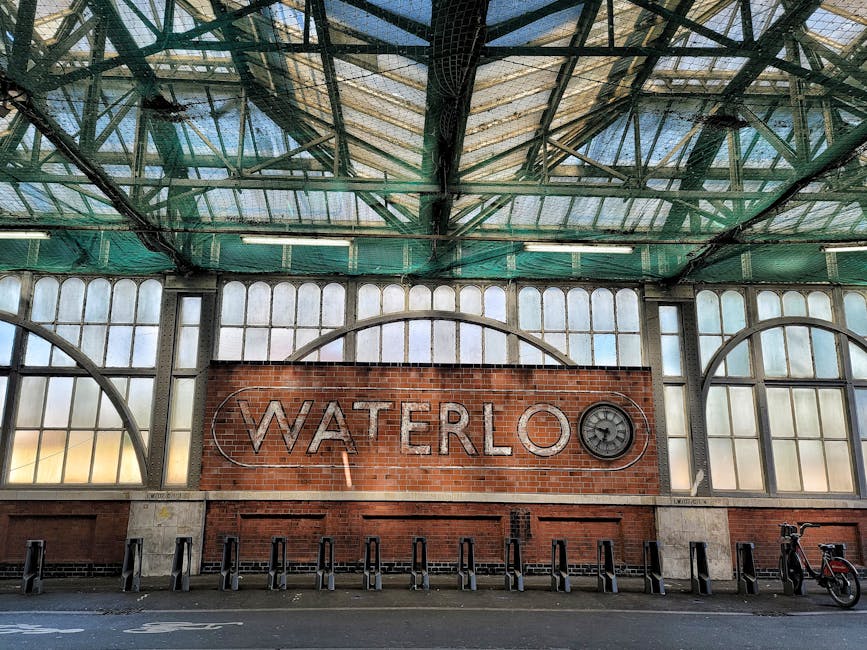
Waterloo sits in central London on the south bank of the River Thames, opposite the Westminster and Strand side of the river. It takes its name from Waterloo Bridge and from the wider historical association with the Battle of Waterloo, a naming pattern reflected in several nearby streets and landmarks. The area is best known for Waterloo station, one of the busiest railway termini in the country, which gives the district a strong transport identity and links it closely to the South Bank, the Strand and wider Lambeth. The local street pattern mixes major routes, smaller terraces and civic spaces, creating a dense urban landscape where rail infrastructure, offices, theatres, housing and visitor destinations sit close together. The South Bank runs along the river edge with promenades, public art and cultural buildings, while nearby streets contain a blend of post-war development and older surviving structures. Among the best-known landmarks are the Old Vic theatre, the London Eye, County Hall and the riverside walk that connects Waterloo with Westminster Bridge and beyond. The area also includes smaller pockets of residential life alongside its busy transport and leisure uses, and it remains closely tied to the changing character of the central Thames corridor. Its public realm is shaped by foot traffic, bridge crossings and station access, making it one of the most recognisable parts of central London.
Not every clearance needs the same level of labour or the same disposal route. A flat clearance may be limited to a few bulky items and some bagged rubbish, whereas a shop, office or shared building can produce packaging, archive material, displays, fittings or mixed waste in larger quantities. Our approach is to match the collection to the property type and waste category so that the removal is as direct as possible without making assumptions about what is on site.
Where items are reusable, partially dismantled or mixed with recyclable material, sorting becomes an important part of the job. Some loads are straightforward and can be taken in one pass; others benefit from separating furniture, electricals, bagged waste and construction debris into the correct streams before removal. If you are comparing service routes, the page for about us provides a general company introduction, while the modern slavery statement and privacy policy set out wider website and business policies.
For a clear quotation, the most useful next step is simply to describe the waste in plain language and say whether it is already gathered together. If you need a little guidance first, the contact page is the best place to send the details and ask for the most suitable option. Plain, accurate information is usually enough to get the process moving without unnecessary back-and-forth.
The website also includes pages that support customers who want to understand the process before arranging a collection. The payment and security page explains the general approach to handling payments, while the accessibility statement covers site accessibility information. These are not part of the waste removal itself, but they can be helpful if you are looking for the practical details that sit alongside the service.
If you are deciding which collection page best matches your waste, it can help to compare the main service categories rather than guessing. For larger mixed jobs, the builders’ waste, house clearance and commercial waste pages are usually the most relevant starting points. For more focused jobs, the furniture, appliance, domestic waste and garden waste pages may be a better fit. This keeps the enquiry accurate and avoids over-specifying the service when the actual requirement is straightforward.
As a final step, if you are ready to ask for a price or arrange a collection, send the key details through the contact page or use the quotation information page first. You do not need a long explanation; the type of waste, the location within the property and any access restrictions are usually enough to begin. Request a quotation when you are ready.
Rubbish Clearance Waterloo provides domestic, commercial and specialist waste removal in Waterloo, with clear pricing information, compliant handling and a simple way to request a quotation.
If you let property near Baylis Road, bulky rubbish has a habit of appearing at the worst...

If you are dealing with a flat full of boxes, a last-minute office clear-out, builders' debris,...
If you are trying to clear junk quickly without paying more than you need to, you are in the...

Construction projects can generate a lot of waste. Waste from construction projects can include...

When you think of Waterloo, Ontario, visions of a tech-savvy, vibrant, and academically inclined...

The Waterloo property market has shown remarkable resilience and growth over recent years.

Waterloo is a bustling district located in the heart of London, known for its famous train...

Waterloo, a vibrant and charming city located in Ontario, Canada, is home to some of the most...

Waterloo, Canada, is not only famous for its technological innovation and vibrant culture but...

 (84)
(84)
Please fill out the form below to send us an email and we will get back to you as soon as possible.